
Hearing protection while hunting is still too often neglected. However, a few gunshots are sometimes enough to cause irreversible hearing damage. Whether you are hunting big game, pigeons, or spending time at the shooting range, protecting your ears is as important as protecting your eyes.
Why wear hearing protection while hunting?
- Preserves hearing
- Reduces noise fatigue
- Allows you to hear animals
- Improves concentration
- Makes long days more comfortable
Less than 1 second
A single shot can be enough to cause irreversible acoustic trauma.
1 in 2 hunters
shows signs of hearing loss or tinnitus related to repeated exposure to gunfire.
140 to 170 DB
This is the sound level that a gunshot can reach, well beyond the danger threshold for the ear.
85 DB
Beyond this level,
prolonged exposure can begin to damage hearing.
When you get your hunting license, there is usually a pretty funny period where your browsing history looks like a mix between:
- “best radio for hunting,”
- “which knife to choose,”
- “which hunting jacket to take,”
- and “do I really need this or is marketing getting to me?” 😄
We watch videos, compare equipment, ask for advice from those around us, and discover above all that there are approximately 14,000 different opinions on absolutely everything.
But in the midst of all these discussions about weapons, optics, clothing, or “essential” gear, there is one topic that is still not often brought up among young hunters: Hearing.
Or more precisely: the impact that years of shooting can have on the ears when they are not properly protected from the start.
And yet, you often only need to spend a little time with experienced hunters to hear the same phrases repeated: “If I had started earlier, I would have done it right away.”
Not in a dramatic or moralizing spirit.
Rather with that mix of clarity and experience that is generally understood after several seasons spent in the field.
The problem with hearing is that the damage often happens discreetly.
When you start hunting, you rarely think of your ears as something “fragile.”
“It’s fine, a few shots aren’t a big deal.”
Because sound fatigue and progressive hearing loss don't necessarily look like something spectacular or immediate. It's not a huge flashing sign that lights up in the middle of the woods saying: “Warning, hearing in danger.” 🚨
Most of the time, it happens slowly.
Over the seasons, some hunters simply start to notice:
- ringing ears after a day of hunting,
- a feeling of sound fatigue when returning home,
- difficulty following certain conversations in noise,
- or that strange feeling that some sounds are becoming more aggressive or more muffled than before.
WHAT?
Can you repeat that?
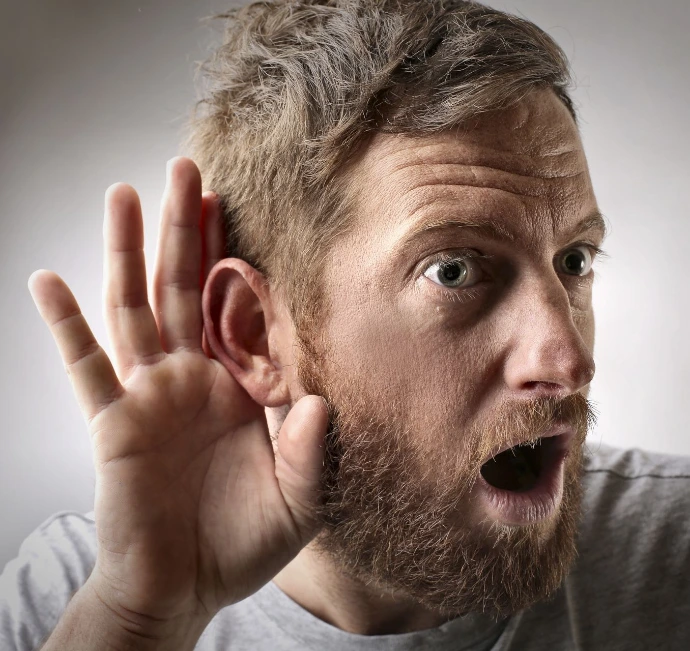
The best time to protect your hearing was yesterday
The second best time is probably before your first season 😄
Because today, starting directly with hearing protection has little to do with the image we might have had a few years ago.
We still sometimes imagine:
- big uncomfortable headphones,
- earplugs that completely cut you off from other hunters,
- or cumbersome equipment to wear during a hunt.
Whereas in reality, modern hearing protection has evolved tremendously.
They have become:
- much more comfortable,
- more discreet,
- easy to wear for several hours,
- and especially designed to allow you to continue hearing the environment properly while reducing gunshots.
Those who use hearing protection today often say the same thing: “I wouldn’t go back.”
And honestly, when you take this habit from the start, it quickly becomes as natural as checking your radio or your cartridges before leaving.
Don’t be like those hunters who regret not starting earlier.
We talk little about sound fatigue… while it changes a lot of things.
Even without talking about significant hearing loss, many hunters quickly discover that good protection already changes the comfort of hunting days a lot.
Because after several hours of hunting, the noise really tires you out:
- the attention,
- the concentration,
- and sometimes even the overall energy of the day.
When the shots keep coming, especially on certain lines, you can quickly come back with that feeling of “aggressed” ears, buzzing, or a fatigue that’s a bit hard to describe.
And it’s often there that many finally understand why so many hunters today use modern hearing protection.
Not just “for later.”
But also to be much more comfortable immediately.
Headphones or earplugs: what will suit you best?
When you start looking at hearing protection for hunting, you quickly discover that there are several options.
Hearing protection headphones
It’s often the simplest solution to start with.
Many young hunters start there because:
- it's practical,
- easy to use,
- and reassuring from the very first outings.
Earplugs
More discreet and very easy to carry, earplugs are often favored by hunters who want something light and quick to put on.
They take up little space in a pocket or bag and quickly become a simple reflex before a hunt or a shooting session.
In the end, the “best” hearing protection is mainly the one you will really want to wear on every outing.
Some hearing protections that are often recommended for active hunters
Because between heavy headsets, uncomfortable models, or those that you ultimately leave in the car… there is a real difference in the field. Discover our selection of hearing protections designed for hunting and long days outdoors.
In the end, the hardest part is mainly getting started.
Because once hearing protection becomes a habit, a lot of hunters say exactly the same thing:
“Why didn't I do this sooner?”
And that's probably the most interesting part.
Hearing protection doesn't take away from hunting.
It doesn't make the hunts less authentic.
It doesn't take you away from the field.
It doesn't turn a day of hunting into a space laboratory 😄
It simply allows you to enjoy longer:
- the discussions after the hunt,
- the dogs you hear coming from afar,
- birds early in the morning,
- seasons that pass,
- and all those little sounds that are also part of the hunt
Because, in the end, protecting your hearing today is mainly a simple way to continue enjoying the hunt fully tomorrow.
FAQ - Frequently Asked Questions
The sounds of a gun can exceed 140 dB. Even a single shot nearby can cause irreversible hearing loss. Proper hearing protection helps preserve your hearing while still fully enjoying hunting.
Yes. The cells in the inner ear do not regenerate. Once damaged, hearing loss is permanent.
Risks appear with prolonged exposure beyond 85 dB. A gunshot can reach between 140 and 170 dB depending on the caliber and environment.
No, not the electronic models. They amplify soft sounds like voices, footsteps, or nature sounds while instantly cutting out the gunshots.
Yes. Electronic protections generally allow for normal conversation while automatically cutting out dangerous noises.
Yes. The earlier you start, the better you protect your hearing capital.
You may experience ringing, buzzing, a feeling of clogged ears, or need to have your conversation partners repeat themselves after a day of hunting.
Yes. Modern hearing protections are designed to be comfortable for several hours of hunting.
Passive protection attenuates all sounds uniformly. Electronic protection allows useful sounds to pass or amplifies them, then instantly blocks detonations.