Wildlife management is not solely based on hunting. In certain situations, regulating some species may also require the use of specific techniques such as trapping. When this practice is supervised and carried out by trained individuals, it contributes to the balance of ecosystems and the protection of certain species.
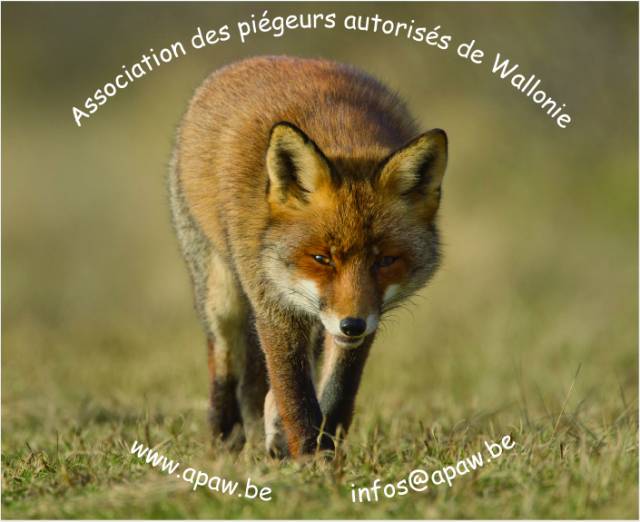
TheAssociation of Authorized Trappers of Wallonia, also known as APAW, brings together licensed trappers active in Wallonia. The association works to promote regulated, responsible, and wildlife-friendly trapping.
The role of trapping in wildlife management
Trapping is a regulated practice aimed at controlling certain species when their presence can lead to ecological imbalances or damage.
In some cases, certain species can:
cause agricultural damage
disrupt populations of other animals
create nuisances in rural or urban areas
threaten certain protected species
Trained and authorized trappers
In Wallonia, trapping is strictly regulated. Only individuals who have undergone specific training and hold a permit can engage in this activity.
Authorized trappers must:
comply with current legislation
use approved traps
regularly check the traps set
ensure animal welfare in the practice of trapping
These rules help ensure a regulated and responsible practice.
An association serving trappers
TheAssociation of Authorized Trappers of Walloniabrings together licensed trappers to promote exchanges and good practices.
The association's missions include:
representing trappers to the authorities
informing members about regulations
promoting training and improvement of practices
promoting responsible trapping
The association thus plays an important role in structuring and overseeing this activity.
Species regulation
Certain species can see their populations increase significantly when conditions are favorable. In these situations, regulatory measures may be necessary to maintain a balance between different species and human activities.
Trapping can be used to regulate certain species, including:
the fox
the muskrat
the raccoon
certain invasive species
These interventions help limit impacts on crops, natural habitats, and certain vulnerable species.
A complementary activity to hunting
Trapping is often complementary to hunting in managing animal populations.
Certain species are difficult to regulate solely through hunting. Trapping allows for more targeted intervention, especially during certain periods or in specific environments.
This complementarity contributes to a more comprehensive management of wildlife.
A role in the protection of biodiversity
The work of trappers can also contribute to the protection of certain species and the preservation of natural environments.
The regulation of certain invasive or highly present species can allow for:
protecting certain local species
preserving natural habitats
limiting impacts on biodiversity
These actions are part of a sustainable wildlife management approach.
Why highlight the APAW?
At The Hunter Camp, we highlight organizations that actively participate in the responsible management of wildlife.
TheAssociation of Authorized Trappers of Walloniaplays an important role in overseeing trapping and promoting practices that respect regulations and nature.
Thanks to the commitment of its members, the association helps maintain a balance between wildlife, human activities, and ecosystems.