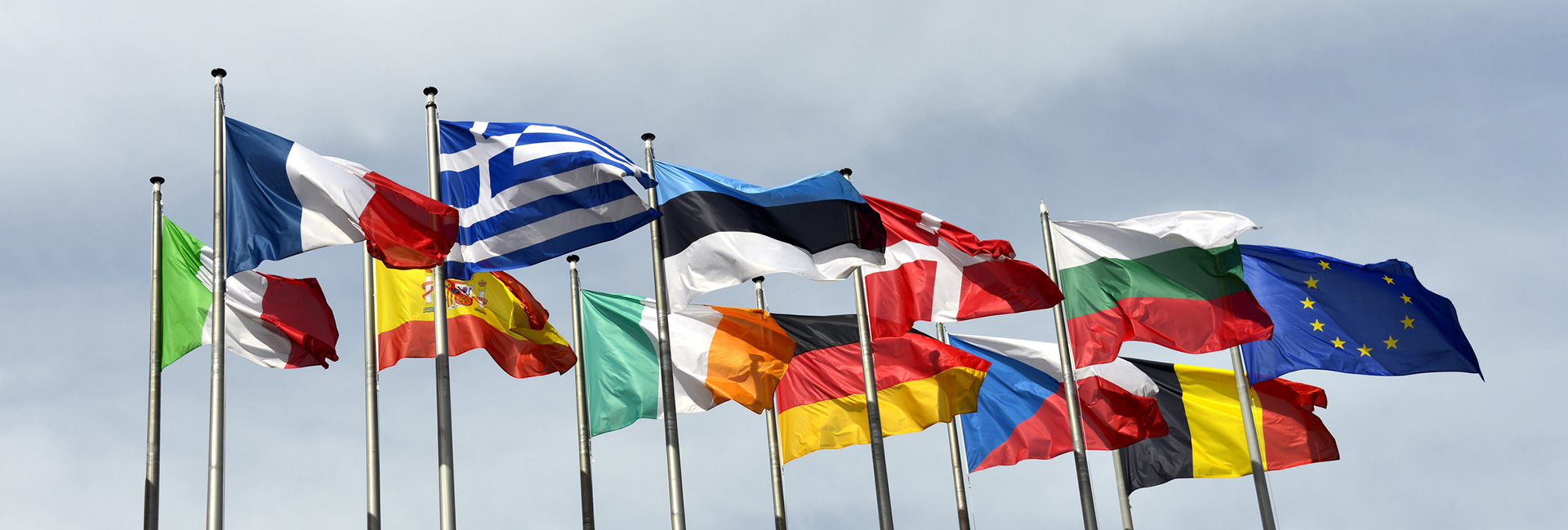
Wildlife management and hunting practices often transcend national borders. Many animal species migrate between different European countries, and environmental policies are increasingly discussed at the European Union level.
The Federation of Hunting and Wildlife Conservation Associations of the European Union, better known by its acronym FACE, represents European hunters to the institutions of the European Union.
This organization brings together the national hunting federations of many European countries to advocate for sustainable hunting, wildlife conservation, and responsible management of natural habitats.
An European organization serving hunters
FACE acts as a representative organization for European hunters. It works with European institutions to defend the interests of hunters and to participate in discussions related to nature management.
FACE's missions include, in particular:
represent hunters to the European Union
participate in discussions on environmental policies
promote sustainable hunting
support biodiversity conservation
Hunting and wildlife conservation
One of FACE's priorities is to promote a vision of hunting that contributes to the conservation of wildlife and natural habitats.
In many areas, hunters actively participate in:
managing animal populations
protecting natural habitats
restoring environments favorable to biodiversity
collecting data on species
These actions contribute to improving knowledge of wildlife and supporting conservation programs.

A network of national federations
FACE brings together hunting federations from many European countries. This organization allows for the coordination of actions and the sharing of experiences between the different national organizations.
The FACE network represents:
several million hunters in Europe
many national federations
different stakeholders involved in wildlife management
This European collaboration allows for the exchange of knowledge and strengthens conservation-related actions.
The issues of hunting in Europe
Wildlife management in Europe involves many challenges.
Among the issues addressed by FACE are:
the conservation of migratory species
protecting natural habitats
the evolution of European regulations
the coexistence of human activities and wildlife
These topics often require coordination between several countries.
Research and knowledge of biodiversity
FACE also supports scientific research and projects aimed at improving knowledge of wildlife.
These initiatives allow for:
better understanding of animal populations
analyzing species evolution
developing conservation strategies
improving management practices
Science plays an essential role in establishing effective conservation policies.

A voice for European hunters
FACE acts as an interlocutor with European institutions, particularly to explain the role of hunters in nature management.
The organization contributes to:
defending the interests of hunters
participating in political discussions
promoting a balanced vision of conservation
raising awareness of on-the-ground realities
This representation allows for the integration of hunters into discussions related to biodiversity and ecosystem management.
Pourquoi mettre en avant FACE ?
At The Hunter Camp, we highlight organizations that contribute to the responsible management of wildlife and the promotion of sustainable hunting.
FACE plays an important role at the European level by representing hunters and participating in discussions on biodiversity conservation.
Through its network and actions, the organization helps strengthen cooperation among the various stakeholders in wildlife management in Europe.