
At The Hunter Camp, we firmly believe in protecting wildlife and conserving our natural resources. That's why we are proud to collaborate with the"Sauvons Bambi"association, dedicated to rescuing fawns and other wild animals before agricultural mowing.
Our shared mission
Every year, many wild animals are endangered during agricultural work. Roe deer fawns, hares and ground-nesting birds are often mutilated or killed by agricultural machinery.
It is to address this problem that the "Sauvons Bambi"association was created, an initiative committed to protecting wildlife through the use of drones equipped with thermal cameras to detect these animals hidden in the tall grass and save them before mowing.
How does fawn rescue work in Belgium?
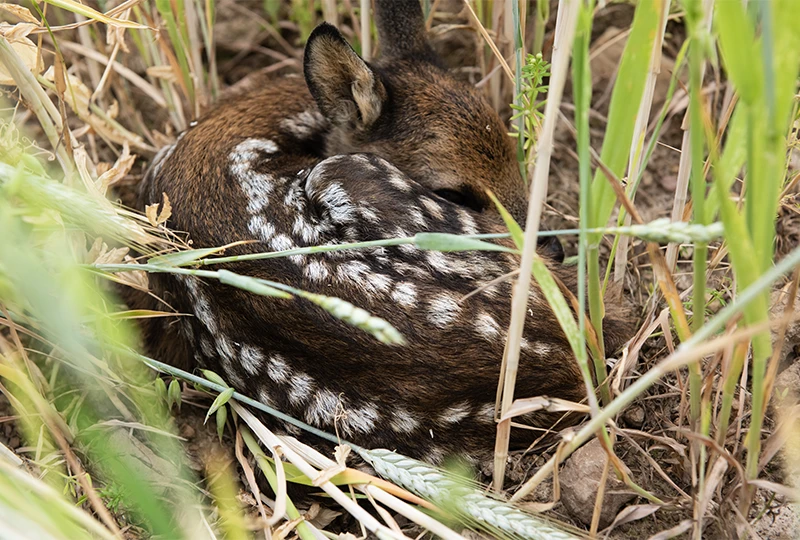
During mowing periods (mainly in May and June), fawns instinctively hide in tall grass. Their natural reflex is to remain still in case of danger, which makes them particularly vulnerable to agricultural machinery.
Sauvons Bambi ASBL works in collaboration with:
Farmers
Trained volunteers
Thermal drone pilots
Local actors in wildlife management
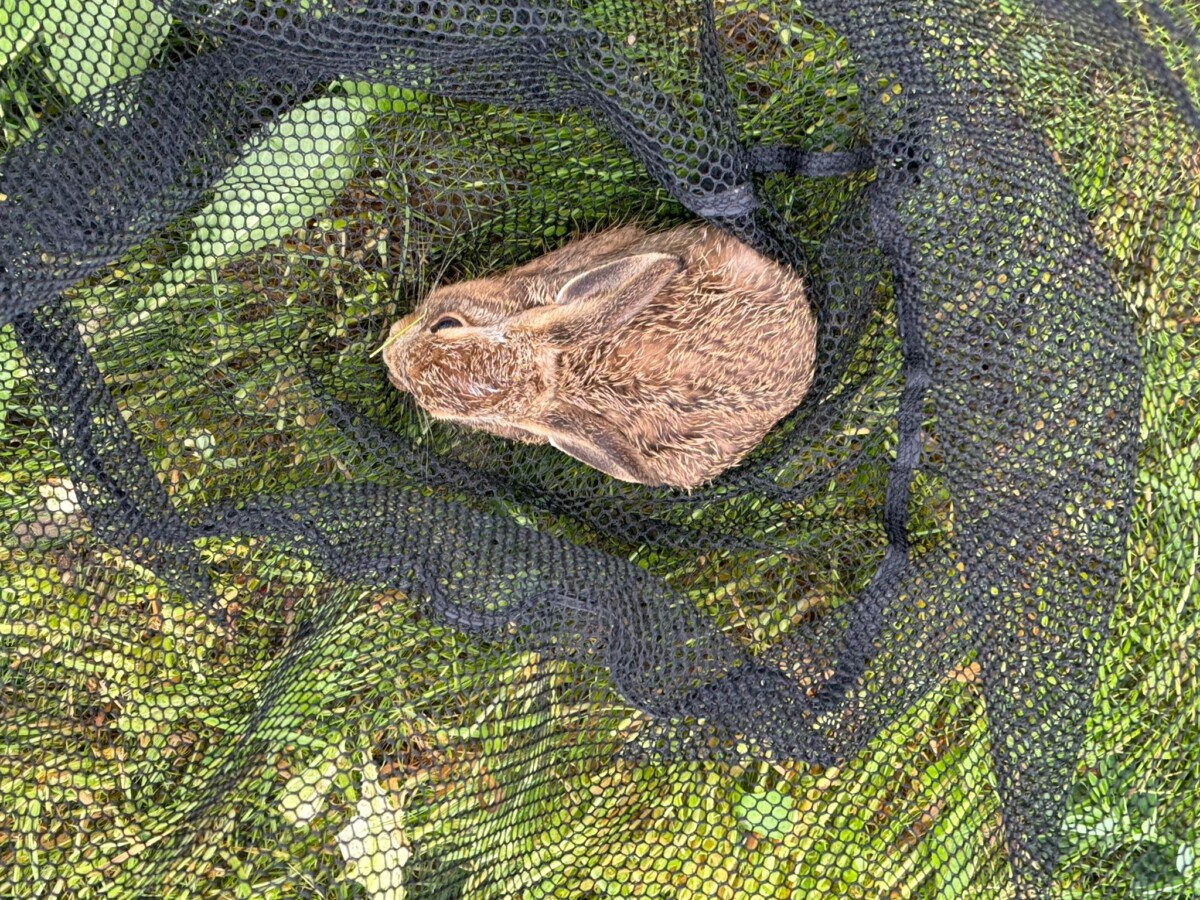
Thanks to thermal technology, fawns are spotted before the machines pass. They are then temporarily moved to safety and released once the mowing is finished.
This fieldwork saves many animals each year and actively contributes to the protection of wildlife in Wallonia and Belgium.
Fawn rescue using thermal drones
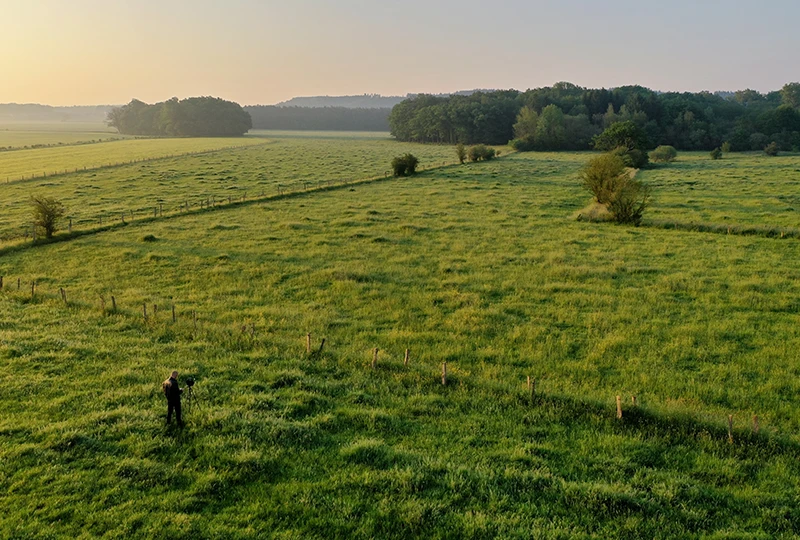
Technology plays an essential role today in the protection of wildlife. The association's volunteers use drones equipped with thermal cameras capable of detecting the body heat of animals in the fields, even when they are perfectly camouflaged in the vegetation.
Interventions usually take place early in the morning, when the temperature difference between the ground and the animal is most visible on the thermal image.
The process of an operation generally goes as follows:
1️⃣ The drone pilot flies over the plot to be mowed.
2️⃣ The thermal camera detects hot spots corresponding to animals.
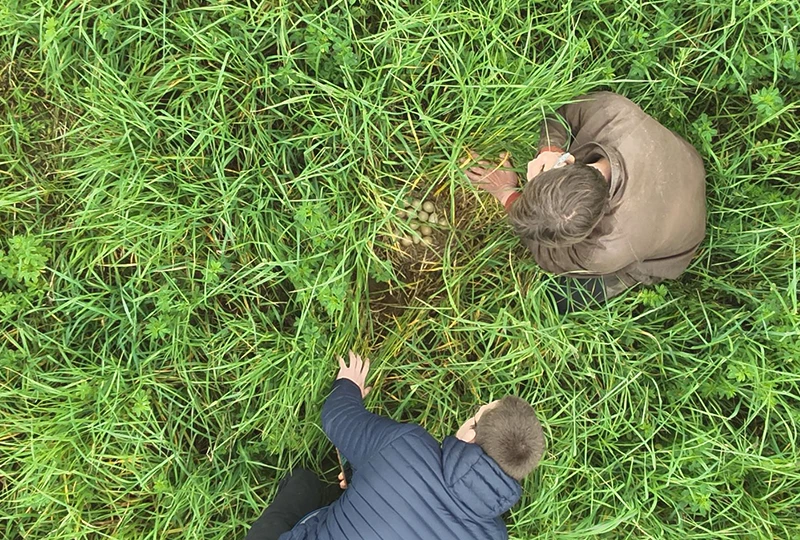
3️⃣ Volunteers go to the location to precisely locate the fawn.
4️⃣ The animal is moved gently to a secure area.
5️⃣ The plot can then be mowed safely.
Thanks to this method, many fawns can be saved each season.
Why do fawns remain still in the fields?
The behavior of young deer may seem surprising. Contrary to what one might think, fawns do not flee immediately when danger approaches.
During their first weeks of life, their survival instinct consists of:
remaining still
lying down in tall grass
relying on their natural camouflage
The mother often moves away to avoid attracting predators to her young. This strategy works very well against natural predators, but unfortunately not against modern agricultural machines.
This is precisely why spotting actions before mowing are so important.
Where does the association operate in Belgium?
The rescue operations conducted by Save Bambi mainly take place in Wallonia, but the initiative also inspires many similar actions in other regions.
Interventions are frequent in several provinces, including:
Brabant Wallon
the province of Namur
Hainaut
the province of Liège
Luxembourg
Every year, volunteers traverse many fields to prevent young animals from becoming victims of agricultural work.
Why is fawn protection essential?
Fawn protection goes beyond simple individual rescue. It contributes to:
The preservation of local biodiversity
Improving coexistence between agriculture and wildlife
A modern and responsible image of the hunting world
Respect for the natural balance
For The Hunter Camp, supporting initiatives like Sauvons Bambi is to affirm an ethical and sustainable vision of nature.
A collaboration between farmers, volunteers, and nature enthusiasts
Rescue operations would not be possible without the collaboration of several stakeholders on the ground.
Farmers play a crucial role by notifying the association before mowing their fields. Volunteers and drone pilots can then organize a quick intervention to secure the area.
This collaboration shows that it is possible to reconcile agricultural activity and biodiversity protection.
The role of hunters in wildlife protection
Hunters are also very involved in the management and protection of wildlife. In the field, they are well acquainted with the territories and sensitive periods for animals.
In many regions, hunters participate in spotting operations or support initiatives aimed at protecting young animals before agricultural work.
These actions illustrate a often overlooked reality: modern hunting is also part of a sustainable management approach for wildlife and natural habitats.
The Hunter Camp and Sauvons Bambi: a committed partnership
Active Volunteering:
The Hunter Camp oeuvre bénévolement comme pilote de drones de"Sauvons Bambi". Nous participons aux opérations de sauvetage sur le terrain, aidant à localiser et sécuriser les faons et autres animaux.
Awareness and Education:
We organize awareness campaigns for farmers and the public to inform them about the dangers faced by wildlife and the importance of these rescue operations.
How to request an intervention?
If you are a farmer or land manager and you plan to mow a plot, you can contact the association to arrange a prior scouting.
A thermal drone intervention allows:
to detect the possible presence of fawns
to secure the plot
to prevent the death of young animals
These simple actions can save many lives each year.
You are the best person to contact* the association directly via thislinkto request assistance.
*Ideally via the app
Join us in this initiative
Wildlife preservation is a cause that is close to our hearts. You can help us make a difference by joining our team of volunteers, becoming a member or making a donation at the"Sauvons Bambi"". Support the association's actions by sharing their initiative around you and raising awareness among farmers in your area.
Every gesture contributes to improving the protection of young animals during sensitive agricultural periods. Together, we can save lives and preserve our biodiversity!
To learn more about how you can contribute, visit the"Sauvons Bambi"website.
An initiative that makes a difference
The actions carried out by "Save Bambi" demonstrate that with collaboration, technology, and goodwill, it is possible to significantly reduce the impact of human activities on wildlife.
Thanks to the commitment of volunteers and the support of many local stakeholders, hundreds of fawns can be saved each year.
A beautiful proof that the protection of nature often relies on the commitment of passionate individuals.
FAQ - Save Bambi ASBL
Fawns naturally hide in tall grass and remain still in the face of danger. This behavior prevents them from fleeing when agricultural machinery passes by.
Drones equipped with thermal cameras detect the body heat of fawns before mowing. This allows volunteers to intervene safely.
The organization mainly operates in Belgium, in collaboration with local farmers and volunteers.
You can make a donation, become a volunteer, or share their actions to help protect fawns in Belgium.
We offer a 30-day return policy for all products. Items must be in their original condition, not used, and accompanied by the receipt or proof of purchase. Refunds are processed within 5 to 7 business days after receiving the returned item.