The approaching and stalking hunter
The one who observes before acting
The silence of a forest in the early morning. A buck appears at the edge of a wood. A few seconds of observation can change everything.
In both approaching and stalking, nothing is done at random. One must know how to observe, understand the movements of the game, and take the time to identify each situation.
Two ways to hunt, one same requirement: discretion, patience, and precision.
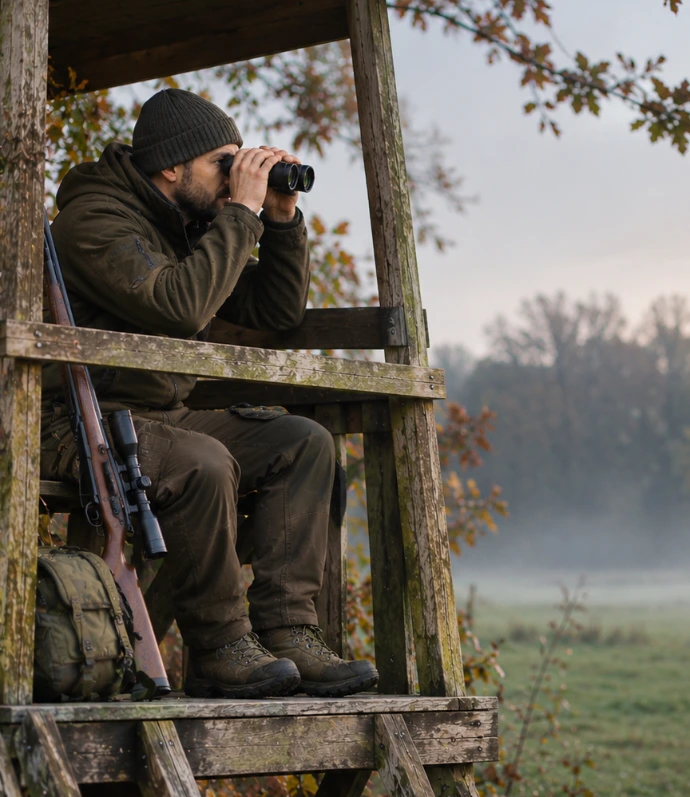
How can you recognize the approaching or stalking hunter?
- He favors discreet clothing, suited to his environment and weather conditions. Silent clothing, natural colors, comfortable shoes, and well-chosen accessories are part of his gear.
- He often keeps his binoculars close at hand and a rangefinder in his pocket, making sure to carry his gear without being weighed down.
- When lying in wait, he pays close attention to his setup and personal comfort. When stalking, his primary focus is on keeping things lightweight and ensuring freedom of movement.
Why does he like this way of hunting?
Because it teaches him to take his time.
He enjoys observing the habits of the game, recognizing signs of presence, understanding the direction of the wind, and anticipating the movements of animals.
Every outing is different. Sometimes, a beautiful observation is enough to make his day. And when an encounter occurs, it rewards all the patience and preparation.
OBSERVE ANTICIPATE BE PATIENT
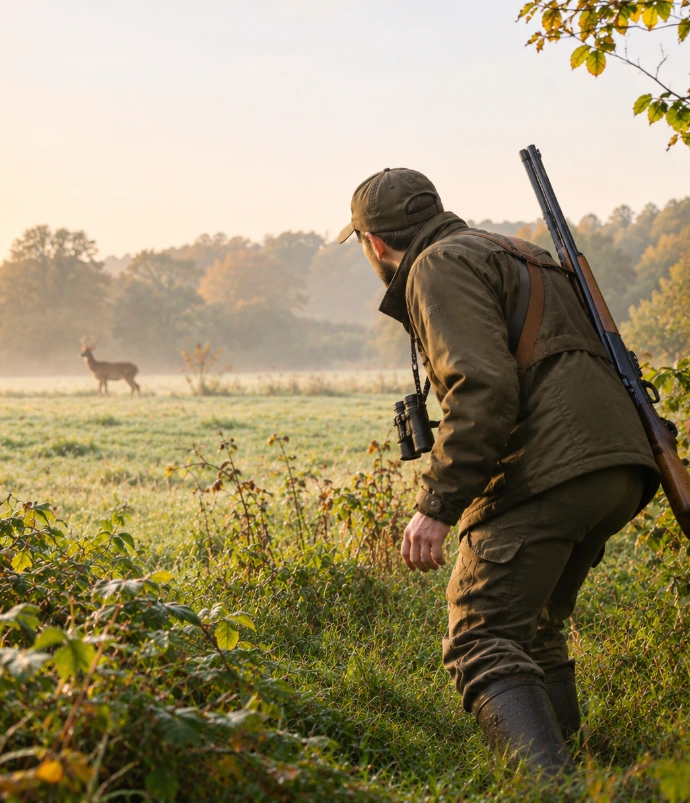
Stalking hunting
move forward without being noticed
You progress discreetly in your territory. You take into account the wind, the terrain, and the vegetation to try to encounter game without being detected.
Your equipment must remain light, silent, and functional to allow you to progress without being burdened.
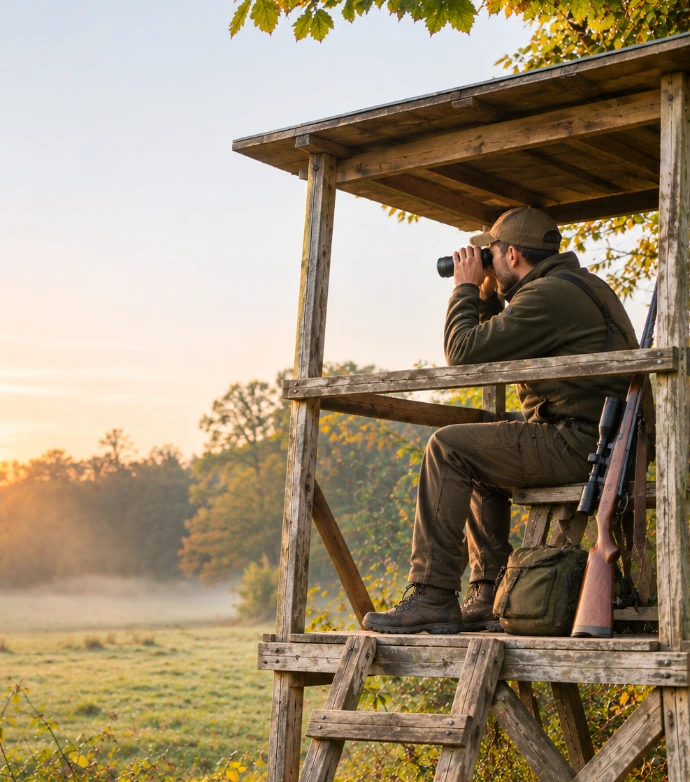
Still hunting
knowing how to wait for the right moment
Settled at a carefully chosen spot, you observe the surroundings and wait for the game to appear. Here, patience and discretion are your best allies.
Your equipment should help you observe effectively, remain discreet, and maintain your comfort despite the cold and humidity.
The essentials for the stalker or still hunter

Valentin's opinion
I love this tranquility, being able to enjoy the territory, observe the animals, and discover things that you might not notice during other hunts.
For me, stalking and still hunting are part of the hunts that require patience but offer a lot in return.
Sometimes we are so focused on what is happening around us that we almost forget the time!
FAQ - Frequently Asked Questions
In stalking, the hunter quietly moves through the territory to try to encounter game. In still hunting, they settle in a chosen spot and wait for the animal to appear. Both practices require a lot of patience, observation, and discretion.
Opt for silent and discreet clothing, shoes suitable for the terrain, binoculars, and a rangefinder. Lightweight and functional equipment will allow you to move without being encumbered.
Comfort becomes particularly important when you remain still for several hours. Prepare warm and silent clothing, binoculars, a rangefinder, and accessories to combat the cold, such as heated socks or hand warmers.
The choice depends on your environment and habits. Consider magnification, objective diameter, brightness, field of view, and comfort of handling. For prolonged observations, optical quality and stability are particularly important.
A rangefinder allows you to measure the distance between you and an observed point. It helps to better assess distances in the field, especially in open areas, forests, or from a lookout.
The thermal monocular is generally designed to be used with one hand and facilitates spot observations. The thermal binocular allows for observation with both eyes and can offer more comfort during prolonged surveillance. Features vary by model.
The secret is to anticipate immobility well. Plan several layers of clothing, suitable socks, gloves, and good protection against moisture. Heated socks and hand warmers can also improve your comfort.
Our latest content
Discover the new things in our company!
Also read on The HUNTER's BLOG
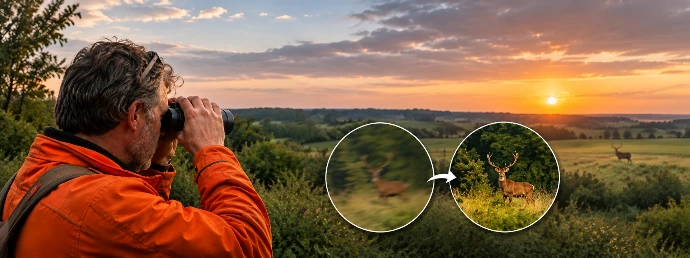
Stabilized binoculars: what is the interest for hunting?
Understand what stabilization actually changes in observation, its advantages, its limits, and the criteria for making a good choice.
Read the article on stabilized binoculars on the blog
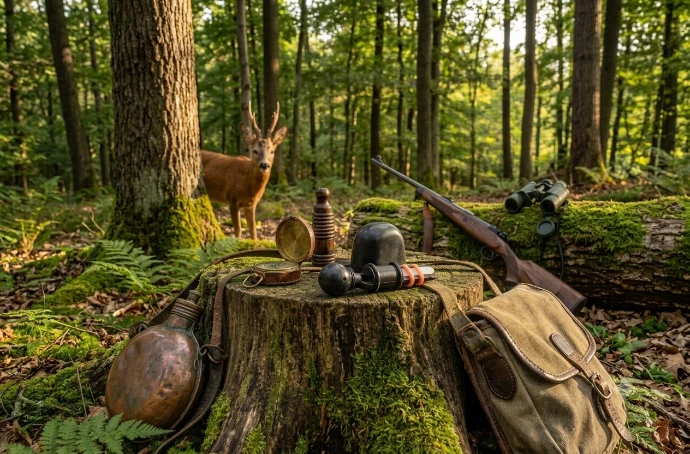
Which deer call to choose according to your practice and level?
Fixed, adjustable, membrane, bellows, wooden or acrylic call: discover the differences and choose the model suited to your hunting style.
Read the article on calls on the hunter's blog
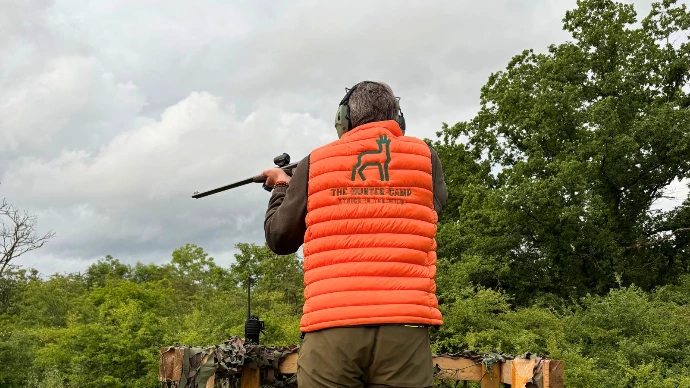
Why protect your ears from the very first outings?
Here’s why more and more young hunters choose to protect their hearing from their first season...
Read the article on the hunter's blog